About project
TCG World2024-2026Shipped
A metaverse, its store and its games, redrawn as one world.
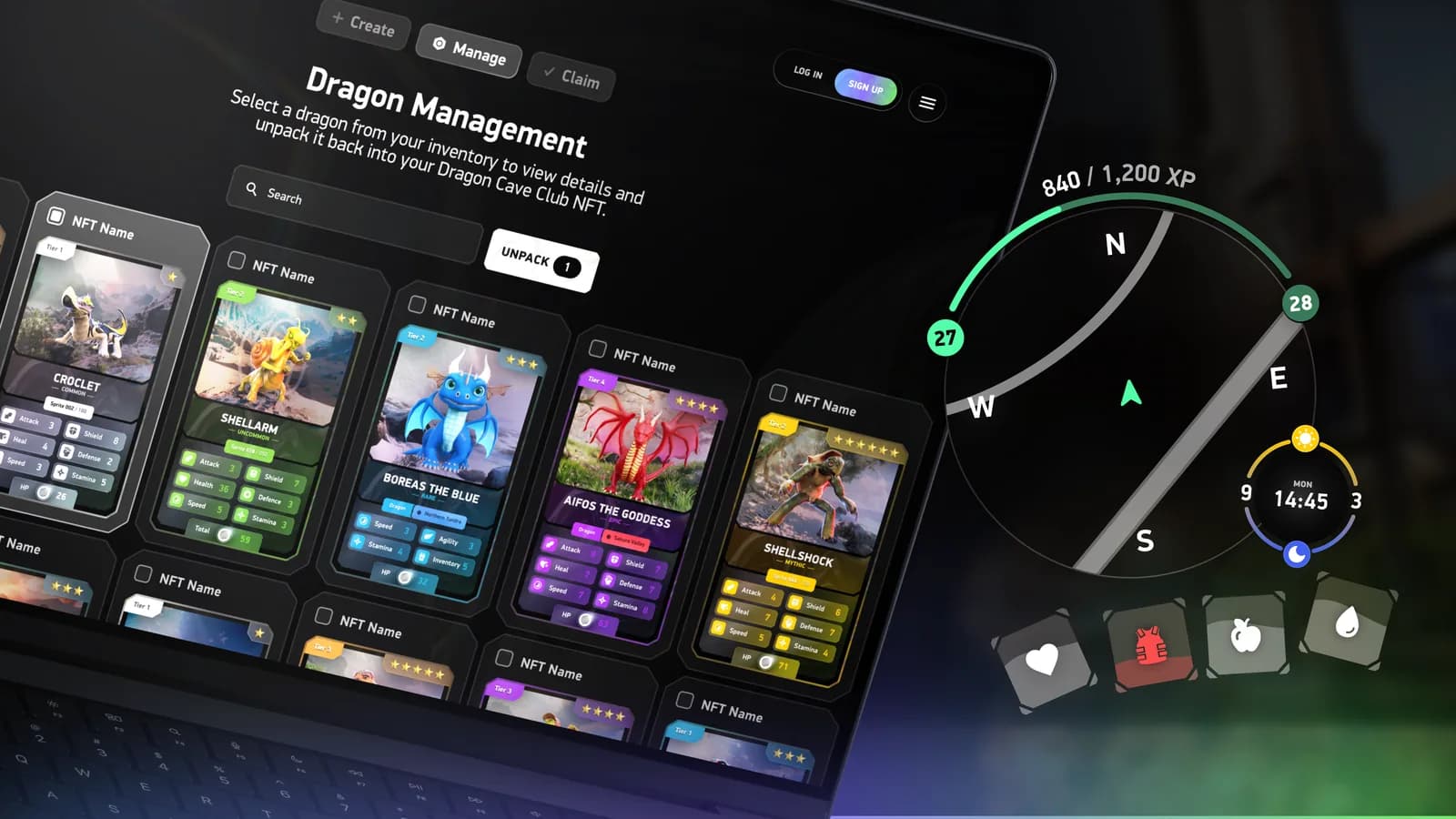
TCG World is an open-world PC MMORPG where land, vehicles, creatures and cards are NFTs players own and trade. For version 2.0 I moved it onto one visual system: website, cards, graphics and the phone game TCG Fishing solo, the in-game UI in a team of two. Five surfaces share one kit, and the 2.0 website went live at tcg.world.
- Role
- UI/UX & visual designer: website, cards, graphics and TCG Fishing solo; in-game UI in a team of two
- Client
- TCG World · open-world metaverse
- Platform
- Game · PC · Mobile · Web
- Tools
- Figma, Photoshop, Illustrator
Challenges
Phase one shipped surface by surface and looked like several products: the old website alone had thin type and a palette of its own. Version 2.0 had to make every surface, from a landing page to a card in a pack, read as one world.
- Five surfaces on one kit: website and store, PC game, battle-royale mode, mobile game, NFT cards and packs
- In-game UI read over live 3D scenes
- An NFT economy where rarity sets value, so rarity has to read the same everywhere
- The player
- moves between site, store and game, and should never feel they have left the world.
- The collector
- pays for rarity, so a Legendary has to look Legendary on a card, in the garage and in the store.
- The team
- keeps adding modes, pages and asset types, and cannot redraw buttons, panels and rarity for each one.
Solutions
- 01
Rebuild, don't restyle
I rebuilt the phase one screens on shared parts instead of repainting them one by one, so a new page, mode or asset type starts from the kit, not from whichever screen looked right last.
Trade-offSlower at the start: the parts had to exist before the first finished screen. From the second surface on, they were already there.
- 02
Rarity owns the colour
Phase one already tinted its store tabs by rarity. Version 2.0 makes it the rule: six rarities, six colours, on cards, item tiles, store frames and garage showrooms, so value reads before the name does.
Trade-offThe six hues cannot mean anything else, and where they do, meaning leaks: a level 2 Gold farm plot wears Mythic gold.
- 03
Glass in the world, dark in menus
Where the player acts in the world, as in building mode and planting, panels sit over the live scene. Full menus such as the inventory take the whole screen on a near-black backdrop with high-contrast type.
Trade-offThose menus give up the sense of place; in return, type and rarity colours read the same over any scene.
- 04
Modes change colour, touch changes parts
The Purge Hour keeps the open world's angled frames, slot grid and rarity tags under red, the one hue no rarity uses. TCG Fishing keeps the gradient button, the brush headings and the catch screen, but rebuilds its controls as round, thumb-sized parts.
Trade-offThe phone game carries a second shape language, and each mode looks less unique than it could. In return, a player moving between modes knows where they are.
System
Rarity, type and one angled corner make the kit
Six rarities run from Common grey to Mythic gold. Type splits by role: a DIN-style display face, a neutral interface sans and a brush script for headings. Cards, item tiles and in-game panels share an angled corner, so a HUD prompt, a store tile and a card frame look related.
Rarity
- Common#BEBEBE
- Uncommon#76C339
- Rare#23A3CC
- Epic#A936E5
- Legendary#FB9025
- Mythic#FFC807
Core
- Brand#55FFA3Primary accent and progress
- Info#55EBFFHighlights and selection
- Alert#FF5555Errors, warnings and The Purge Hour
- Base#000000Panels and backdrops
- Display
- PF DinDisplay Pro
- Interface
- SF Pro Display
- Accent
- Spotted GrouperBrush headings on the website, in the PC game and in TCG Fishing
Website
From coin charts to a world worth entering
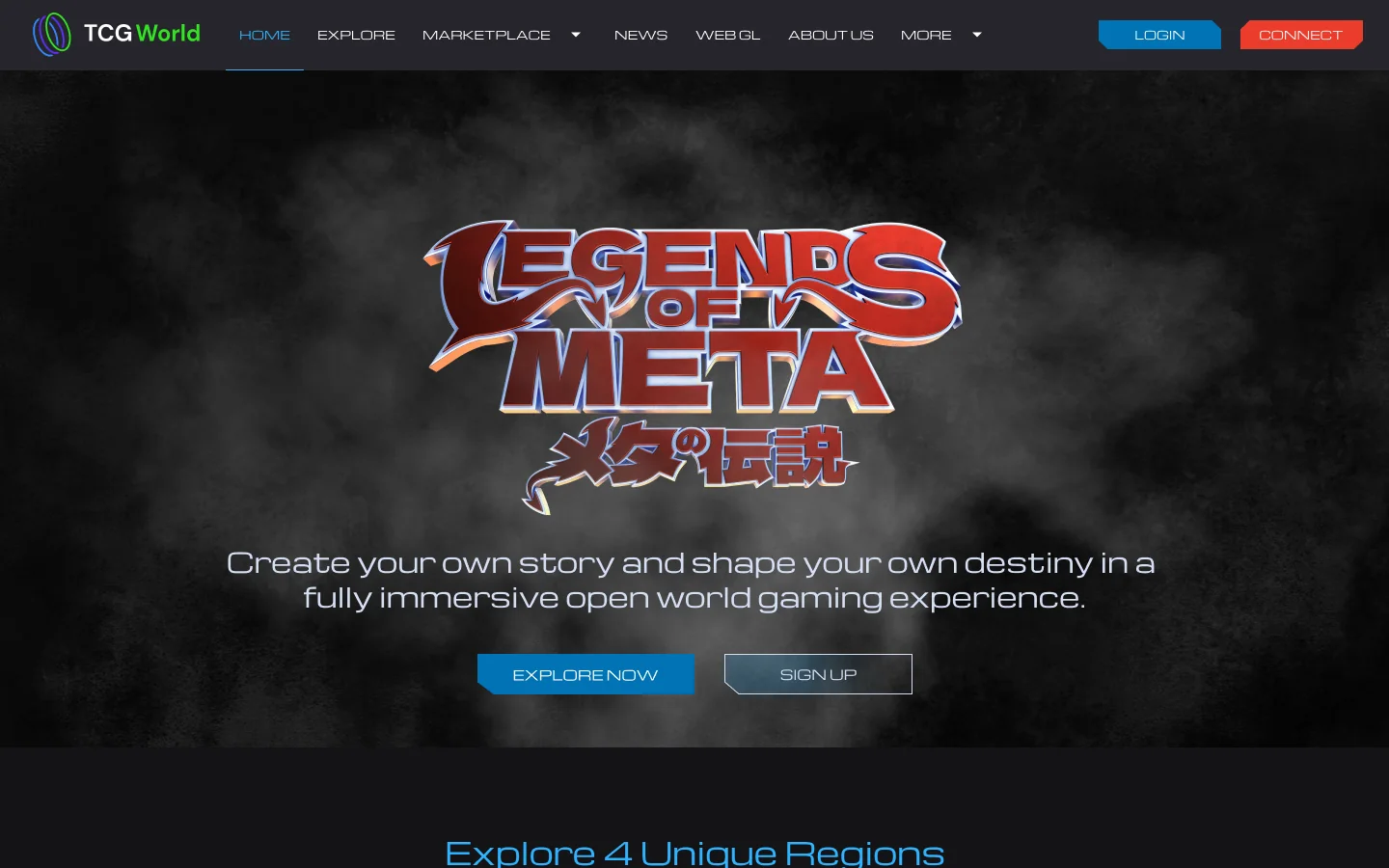
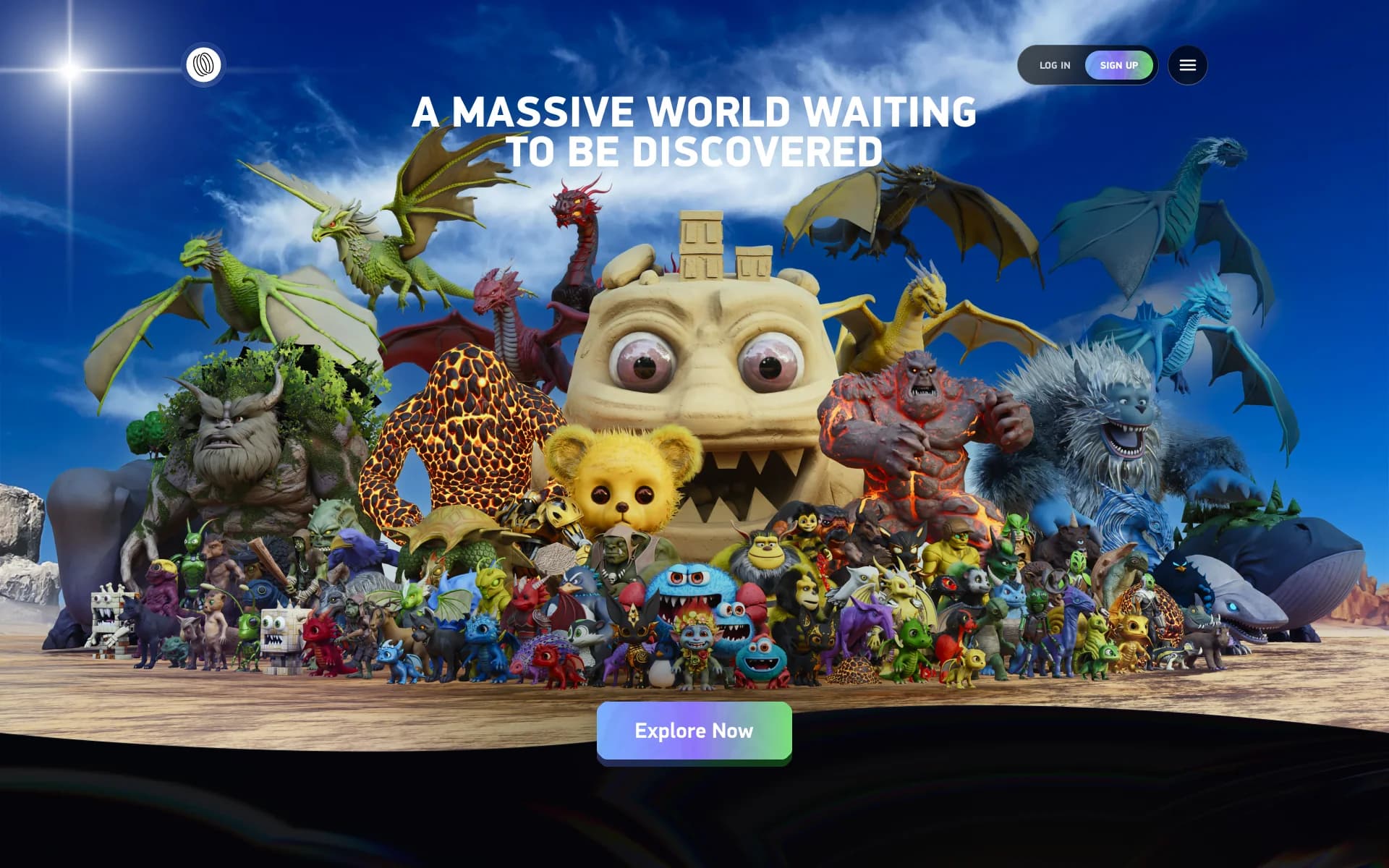
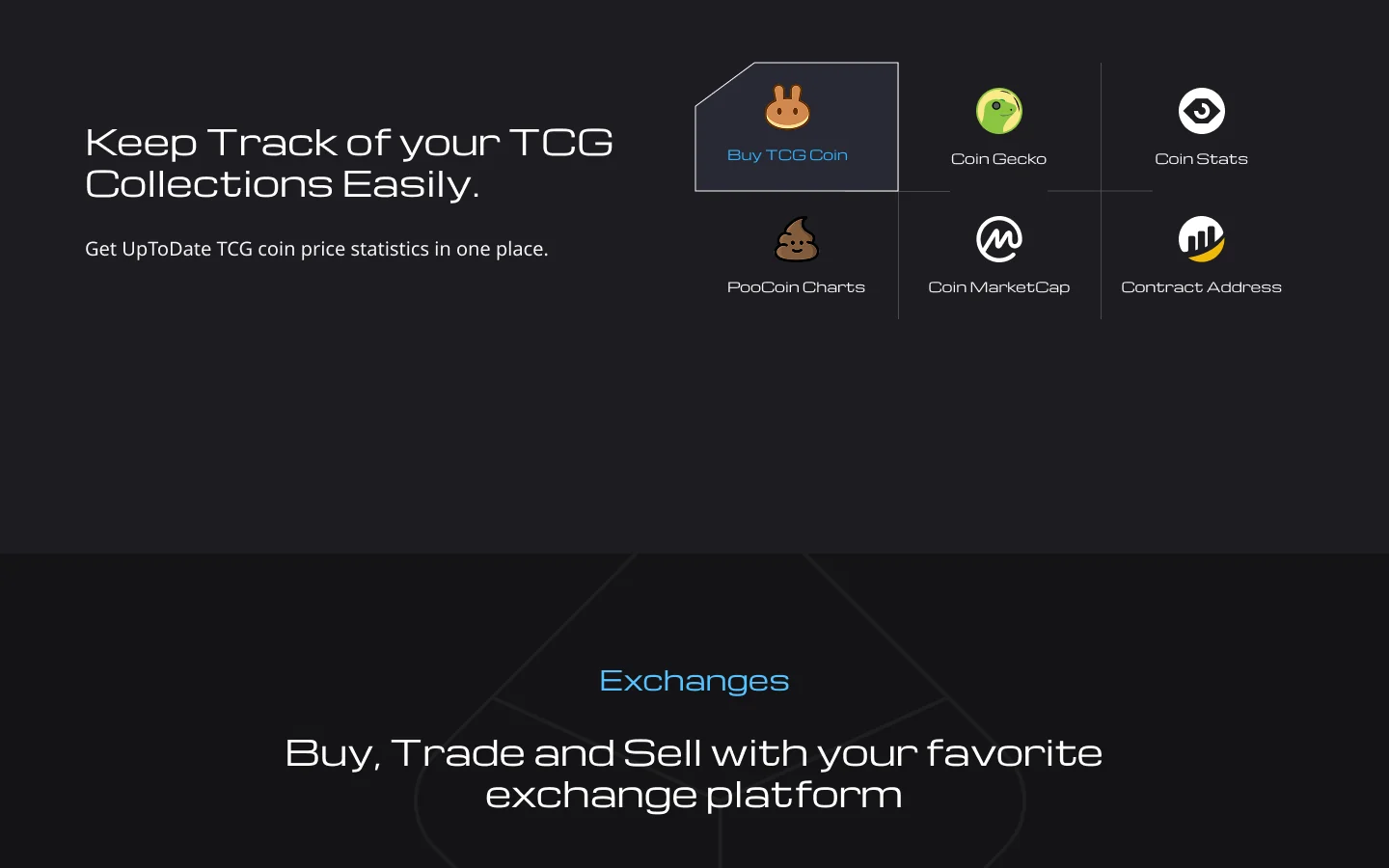
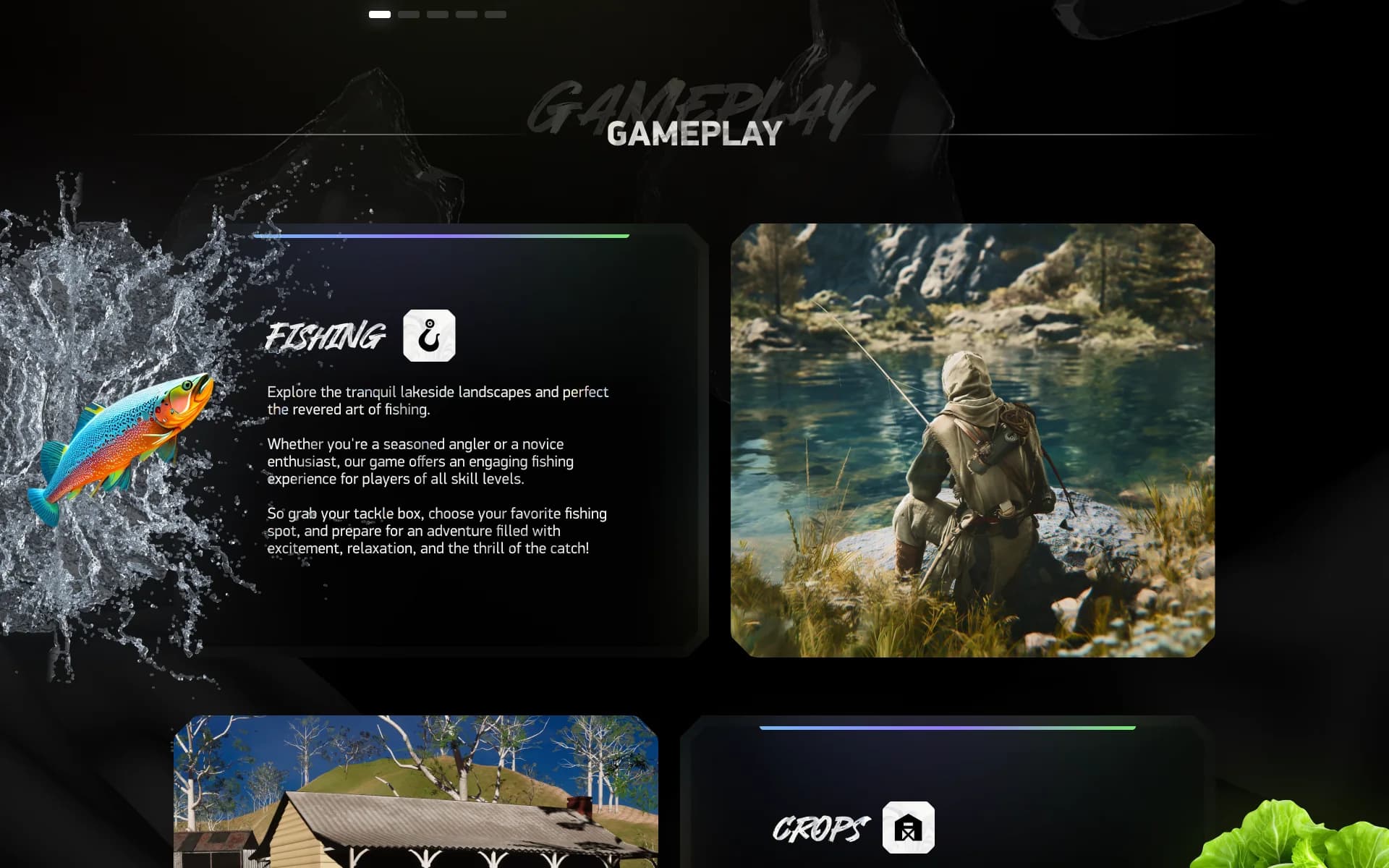
The phase one site opened on a game logo over smoke and gave its lower half to education partners, a coin price tracker and exchange links. For 2.0 I dropped the finance blocks and gave the page to the game. Sign-up and the error pages get the same treatment, so nobody falls out of the world on a dead link.
NFT cards
Seventy-two cards, one template
I designed the collectible cards from scratch as a template, not a set of pictures. Every livestock card carries a generation tab, stars, the name, a rarity line, a category chip and its stats, and the layout never changes: rarity sets the colour, the stars, the generation and how far the stats go.
- The same frame, without the generation tab, takes a monster truck, with speed, horsepower, handling and acceleration for stats
- Foil packs work the same way: the label, the seal and the card count stay
Foil packs, one per category
Store
A store built on the cards themselves
I built the store on the cards themselves: the marketplace, item pages and the wallet share one card frame, so an asset stays recognisable whether it is for sale, owned or just won. The mystery box became a small show: buy a key, watch the reel, see your card land.
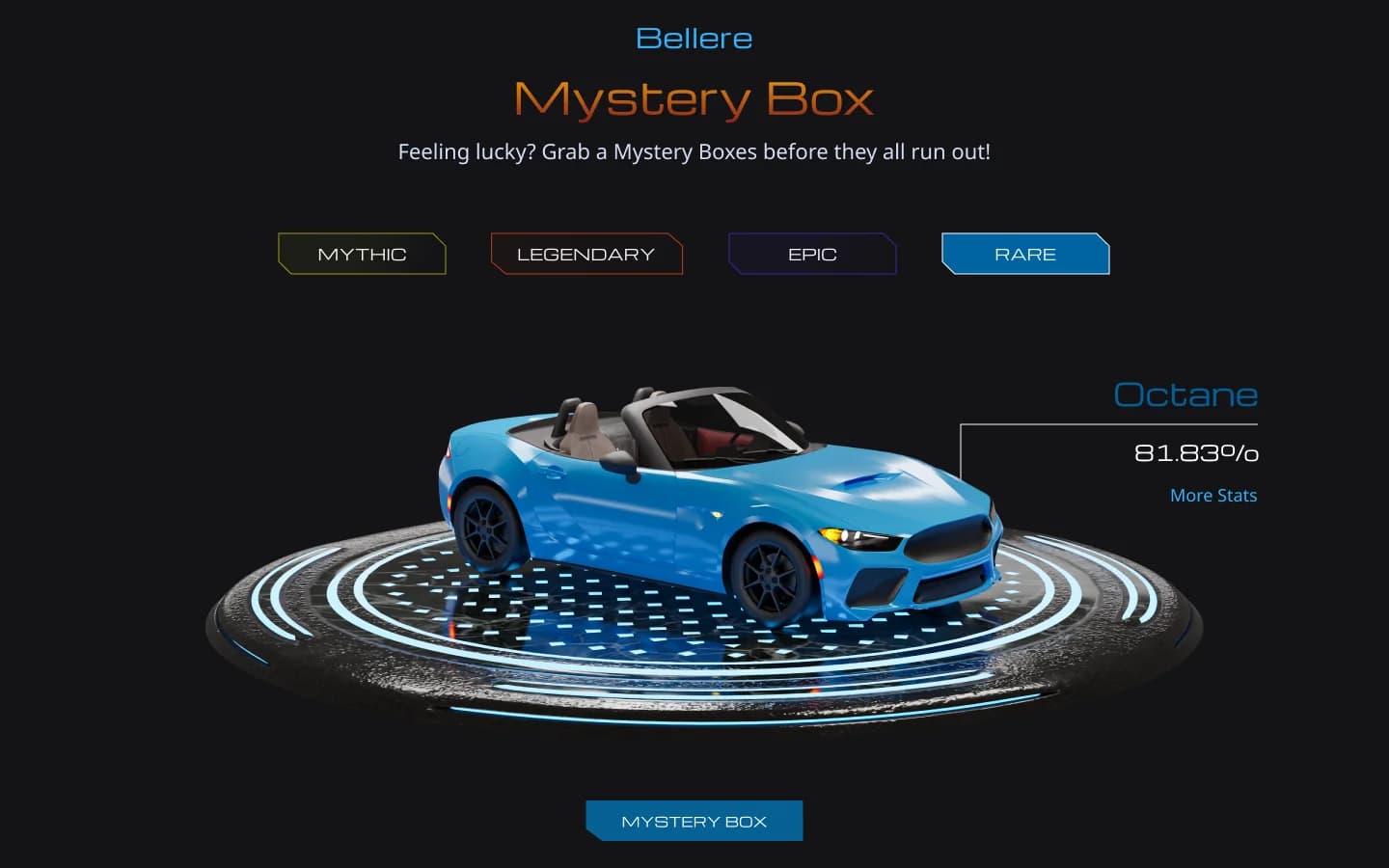
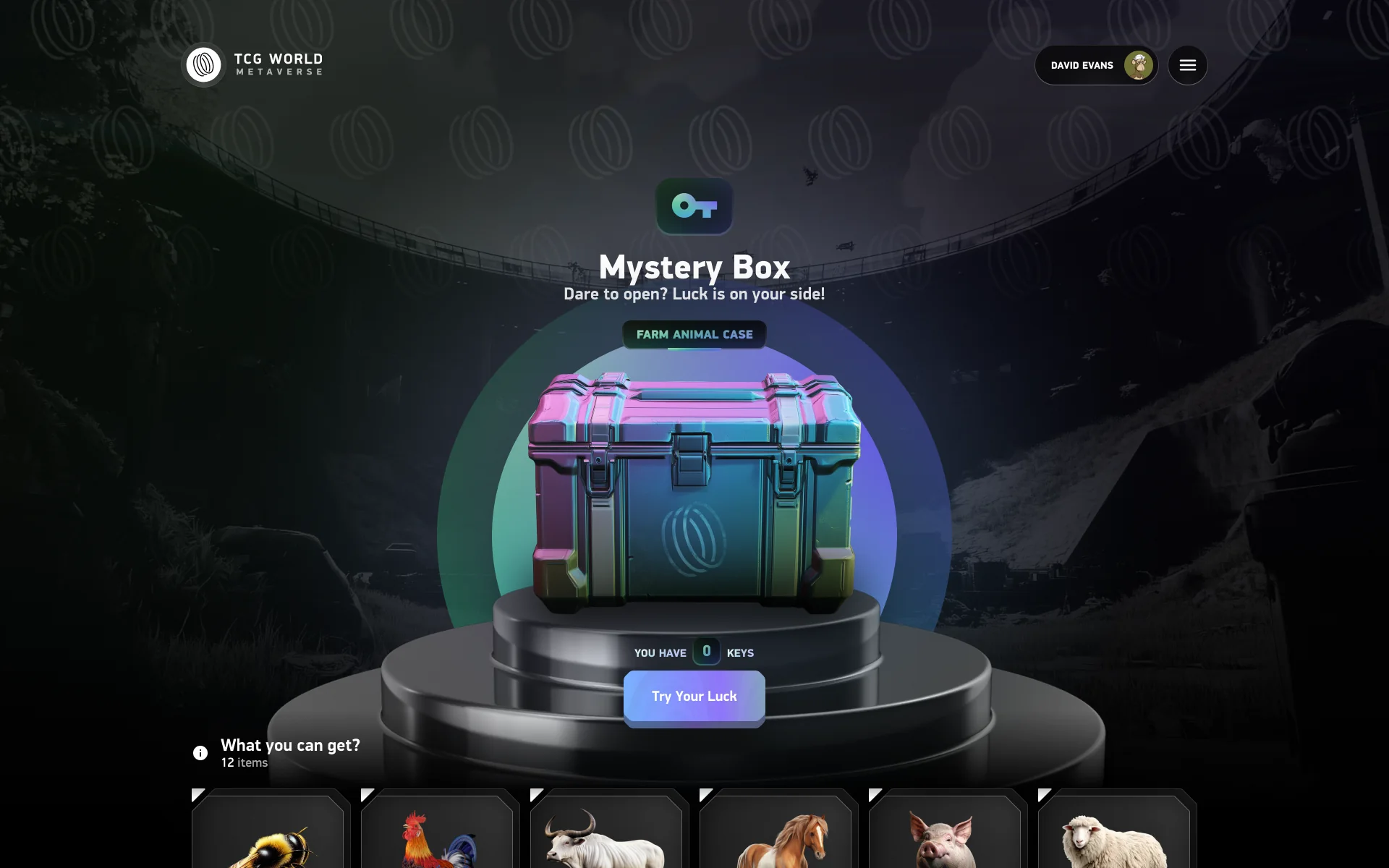
Opening a mystery box, step by step
Card packs
Marketplace and wallet
PC game
The garage is where rarity pays off
The game's menus follow the rules of the website and the cards: angled tiles, rarity colours, DIN capitals. The inventory tile reappears unchanged in the web wallet. In the garage each car gets a showroom tinted in its colour, so a Mythic and a Rare are told apart before a single stat is read.
One garage, tinted by rarity
The Purge Hour
A mode that changes the colour, not the kit
The Purge Hour is TCG World's battle royale, a separate mode with its own tension. It takes red and a louder title, and the kit stays: the loadout's rifle is still marked Rare.
TCG Fishing
A pocket game that still belongs to the world
TCG Fishing is a casual landscape game for phones: pick one of four baby dragons, travel between five fishing spots, cast and reel in. I designed it solo, from the logo and wireframes to the finished screens, with Cast and Reel In under the right thumb.
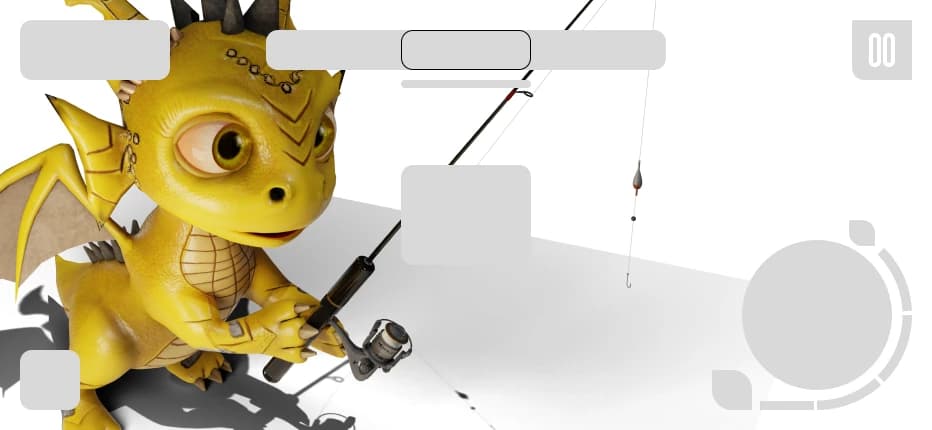
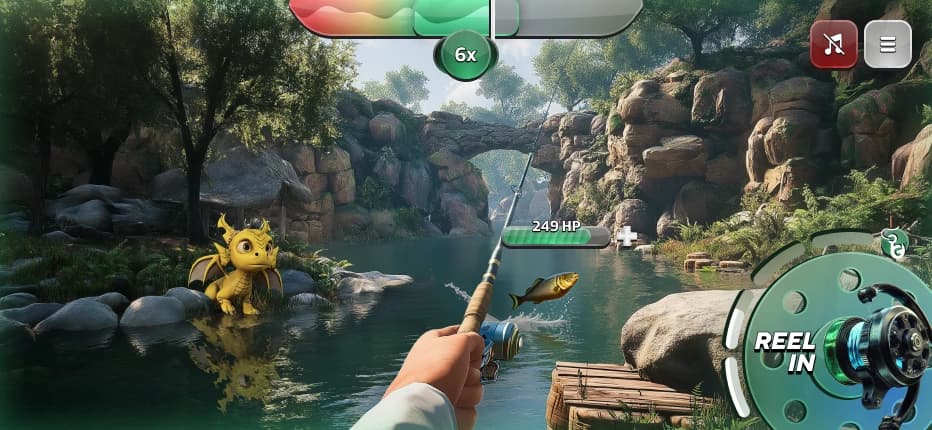
Five fishing spots
Around the game
Graphics
Twelve brands, one template, 432 billboards
A living city needs advertising, so I gave the world its own. The billboards sell the city's fictional businesses rather than the game, on a template of their own: flat colour, bold type and one hero object. Nine colour versions and four aspect ratios per brand fit any surface in the city without new artwork.
Results
The 2.0 website went live at tcg.world with the structure designed here: the world first, then the four regions, the gameplay systems, the gallery and news, with the marketplace behind it.
Reflection
- Building every surface from one system is what let a two-person team cover a whole metaverse without each screen drifting.
- In a busy 3D world, legibility beats decoration: the HUD has to read at a glance over moving scenery.